
Stenting Heart: What You Need to Know
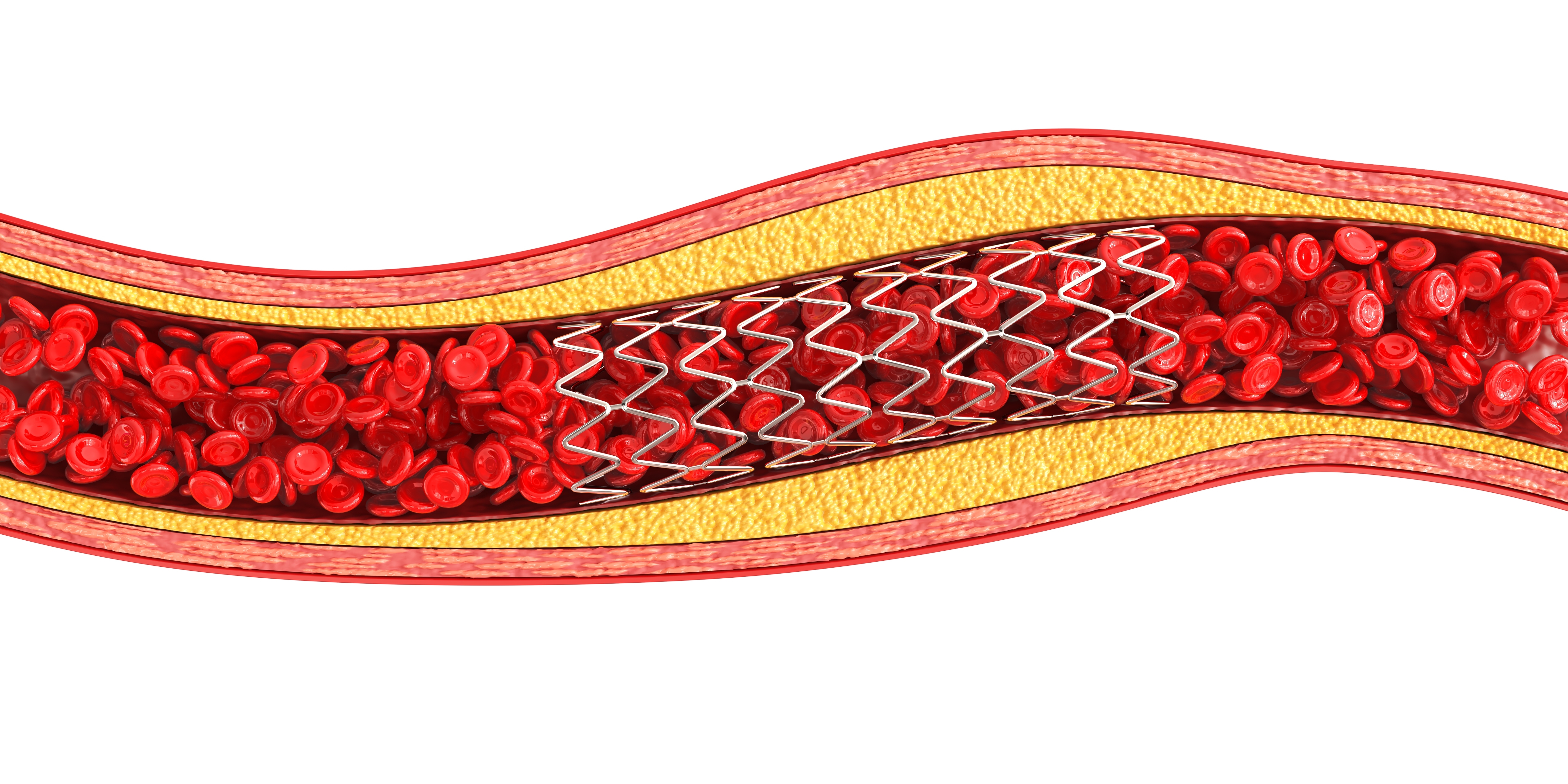
Coronary stenting is the gold standard for treating blocked heart arteries. It’s a minimally invasive procedure that restores blood flow and can prevent serious heart damage. Instead of open-heart surgery, a small metal scaffold called a stent is placed inside the narrowed artery to keep it open. This ensures the heart receives enough oxygen and nutrients to function properly.
Why arteries get blocked
Arteries can gradually narrow over time due to cholesterol plaques forming on their walls. Think of it like mineral buildup in pipes—the more it accumulates, the narrower the passage becomes. Reduced blood flow can cause chest pain (angina) or, in the worst cases, a complete blockage (thrombosis). Interventional cardiologists note that patients often feel symptoms only when heart muscle damage has already begun. Stenting in heart is a reliable way to prevent permanent damage by reopening the artery early.
Diagnosis before stenting
Before placing a stent, doctors need to see the arteries from the inside. Coronary angiography, an X-ray procedure with contrast dye, shows exactly where blockages are. This test is recommended if:
- There is suspicion of ischemic heart disease
- The patient experiences chest pressure or discomfort
- ECG or heart ultrasound indicates reduced blood flow
Angiography answers a key question: is medication enough, or is stenting heart necessary to prevent complications?
How is stenting in heart done?
The procedure is performed under local anesthesia in a catheterization lab. A small puncture is made in the wrist or groin. A thin catheter is guided to the coronary artery under X-ray control. At the narrowed spot, a balloon opens the artery, and a stent is placed to keep it expanded. Afterward, the catheter is removed, and the puncture site is bandaged. The procedure typically lasts 30–60 minutes, and patients are monitored for a short time afterward.
Types of stents
Drug-eluting stents (DES) are the most commonly used. They release medication that prevents the artery from narrowing again. Success also depends on stent quality—low-quality or uncertified stents carry serious risks, as they may lack proper coating or be made of inferior metal. Always choose certified stents to ensure safety.
Recovery and risks
Most patients feel better quickly after stenting in heart. Mild soreness, fatigue, or slight weakness in the first days is normal. The stent gradually integrates with your artery over 6–12 months. During this time, taking prescribed blood-thinning medications is critical. Follow your doctor’s guidance closely: avoid heavy lifting, hot baths, or strenuous activity during early recovery. Mild chest discomfort is normal, but severe pain requires immediate medical attention.
Possible complications include:
- Restenosis (re-narrowing of the artery)
- Stent thrombosis
High-quality drug-eluting stents and adherence to medication significantly reduce these risks.
Life after stenting
After recovery, patients can gradually resume normal activities. Light exercise, like 30–40 minute walks, is encouraged. One year after stenting, if symptoms do not return, activities such as sports, sauna, flights, and even MRIs are usually safe. Life after stenting can be fully active, with few restrictions.
Recovery timelines vary:
- Planned procedures: 3–7 days
- After a heart attack: several weeks under medical supervision

FAQs
Does it hurt?
Stenting heart is performed under local anesthesia, so patients usually feel no pain. Brief discomfort may occur during catheter insertion or balloon inflation. Mild soreness at the puncture site is common and temporary.
How many stents can be placed at once?
It depends on the number and length of blocked arteries. One or multiple stents can be placed in a single procedure.
Do stents need replacement?
Modern stents remain in the artery permanently and integrate into the vessel wall. Long-term success relies on following medication and doctor recommendations.
Will I need lifelong medication?
Yes, blood-thinning drugs are essential. Medications for blood pressure, cholesterol, and heart rhythm may also be prescribed. Never stop them without a doctor’s approval.
When can I return to work?
Office work: 7–10 days
Physically demanding jobs: longer, with doctor approval
Does stenting affect life expectancy?
Stenting heart reduces symptoms and improves prognosis, especially after a heart attack. With proper follow-up and risk management, patients can live a long, active, and full life.